

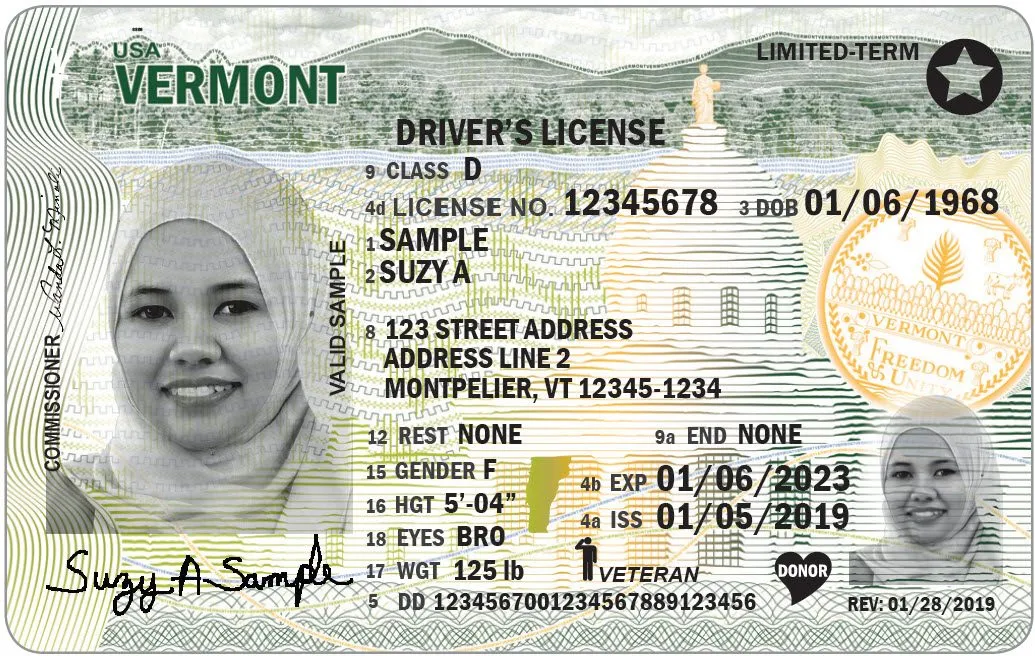
Driver’s License Vermont: Everything You Need to Know
Obtaining a driver’s license Vermont is an important milestone for new drivers and residents moving to the state. Whether you’re applying for your first license, upgrading from a learner’s permit, or transferring an out-of-state license, understanding the process can help you avoid delays and complete your application successfully.
The driver’s license Vermont process is managed by the Vermont Department of Motor Vehicles (DMV). Applicants must meet eligibility requirements, provide the necessary documentation, and complete any required testing before receiving a license.
This guide explains everything you need to know about a driver’s license Vermont, including eligibility requirements, required documents, application steps, renewal information, and frequently asked questions.
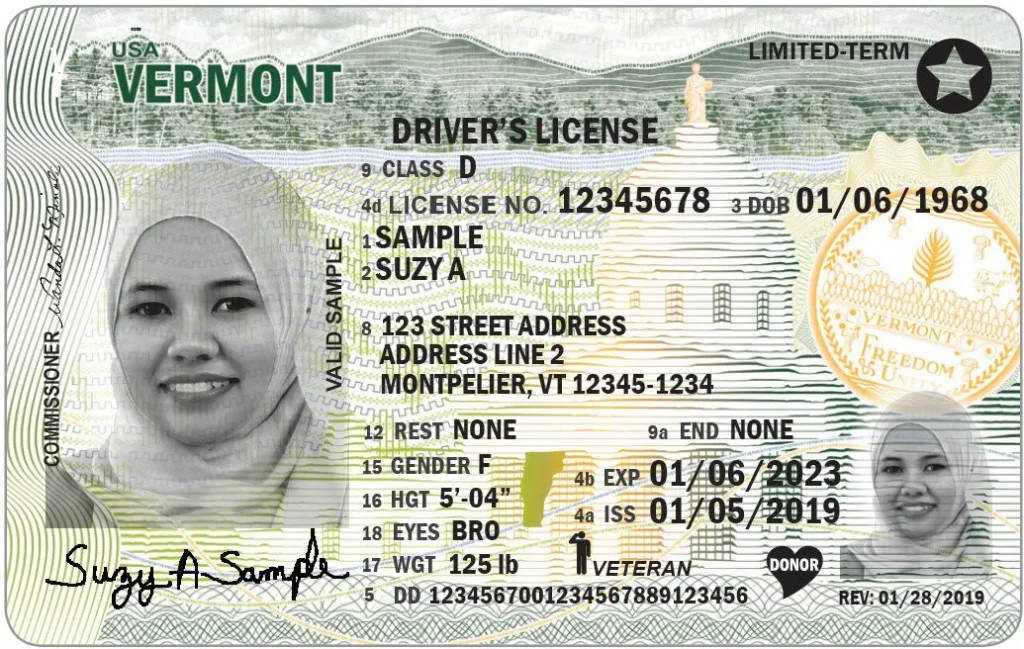
Who Can Apply for a Driver’s License Vermont?
Most individuals can apply for a drivers license Vermont if they meet state requirements.
Applicants typically include:
- First-time drivers
- Teen drivers completing the graduated licensing program
- Adults applying for their first driver’s license
- New Vermont residents transferring a valid out-of-state license
Before applying for a drivers license Vermont, it’s important to understand which category applies to your situation.
Requirements for a Driver’s License Vermont
Before beginning the application process, gather the required documentation.
Most applicants for a drivers license Vermont may need:
Proof of Identity
Documents that verify your identity and date of birth.
Examples include:
- Birth certificate
- Passport
- Other approved identification documents
Proof of Residency
Applicants may need documents showing Vermont residency.
Examples include:
- Utility bills
- Lease agreements
- Bank statements
- Government correspondence
Social Security Information
Applicants may be required to provide Social Security documentation or related identification information.
Having all required documents available can help make the application process smoother.
How to Apply for a Driver’s License Vermont
Understanding the steps involved can help simplify the drivers license Vermont application process.
Step 1: Gather Required Documents
Before visiting the DMV, ensure you have all necessary identification and residency documentation.
Step 2: Complete the Application
Applicants must complete the appropriate driver’s license application.
Step 3: Pass Required Tests
Depending on your circumstances, you may need to complete:
- Vision screening
- Written knowledge test
- Road skills test
These tests help ensure that drivers understand Vermont traffic laws and can safely operate a vehicle.
Step 4: Submit Your Application
Submit your completed application and supporting documents to the Vermont DMV.
Step 5: Receive Your License
Once approved, your drivers license Vermont will be issued according to Vermont DMV procedures.
Driver’s License Vermont for New Residents
If you recently moved to Vermont, you may need to transfer your current driver’s license.
When applying for a drivers license Vermont as a new resident, you may need:
- Your current out-of-state driver’s license
- Proof of Vermont residency
- Identification documents
- Additional verification documents if requested
New residents should complete the transfer process promptly after establishing residency.
Driver’s License Vermont Renewal
Keeping your drivers license Vermont current is important.
The renewal process generally involves:
- Verifying eligibility
- Updating personal information if necessary
- Completing any required screening
- Submitting a renewal application
Some drivers may qualify for online renewal services, while others may need to renew in person.
Renewing before expiration helps avoid unnecessary complications.
Common Driver’s License Vermont Mistakes
Many applicants experience delays because of avoidable errors.
Common mistakes include:
- Forgetting required documents
- Providing outdated information
- Missing application requirements
- Waiting too long to renew
- Failing required examinations
Avoiding these issues can help make the drivers license Vermont process much easier.
Benefits of Having a Driver’s License Vermont
A valid drivers license Vermont provides several benefits.
These include:
- Legal driving privileges
- Government-issued photo identification
- Easier identity verification
- Access to vehicle-related services
- Compliance with Vermont driving laws
Maintaining a valid license is an important responsibility for every driver.
Tips for a Successful Driver’s License Vermont Application
To improve your chances of success:
- Gather documents ahead of time.
- Review Vermont driving laws.
- Study for the written examination.
- Practice driving skills regularly.
- Double-check application information before submission.
Being prepared can make the driver’s license Vermont process smoother and more efficient.
Frequently Asked Questions
What is a driver’s license Vermont?
A driver’s license Vermont is an official credential issued by the Vermont DMV that authorizes eligible individuals to operate motor vehicles.
What documents are needed for a driver’s license Vermont?
Applicants may need proof of identity, proof of residency, and Social Security information depending on their circumstances.
Do I need to take a driving test for a driver’s license Vermont?
Some applicants may be required to complete vision, written, and road skills tests.
Can I renew my driver’s license Vermont online?
Some Vermont drivers may qualify for online renewal services depending on eligibility requirements.
How soon should I renew my driver’s license Vermont?
It is generally recommended to renew before the expiration date to avoid interruptions in driving privileges.
Final Thoughts
Obtaining or renewing a driver’s license Vermont is an important step toward maintaining legal driving privileges and valid identification. By gathering the required documents, understanding the application process, and preparing for any necessary tests, you can complete the process with confidence.
Leave a Reply